Asa PRK For Thin Corneas: Why It Might Be The Best Different To Lasik
Authored By-Bondesen Eskesen If you have thin corneas, you may be questioning your options for vision improvement. ASA PRK offers an appealing option to LASIK, particularly given that it prevents the risks tied to corneal flaps. This procedure improves the cornea straight, preserving its integrity and advertising much better long-lasting wellness. Interested about just how ASA PRK can benefit you particularly and what the healing procedure looks like? There's even more to consider prior to making your decision.
Understanding ASA PRK: What It Is and Exactly how It Works
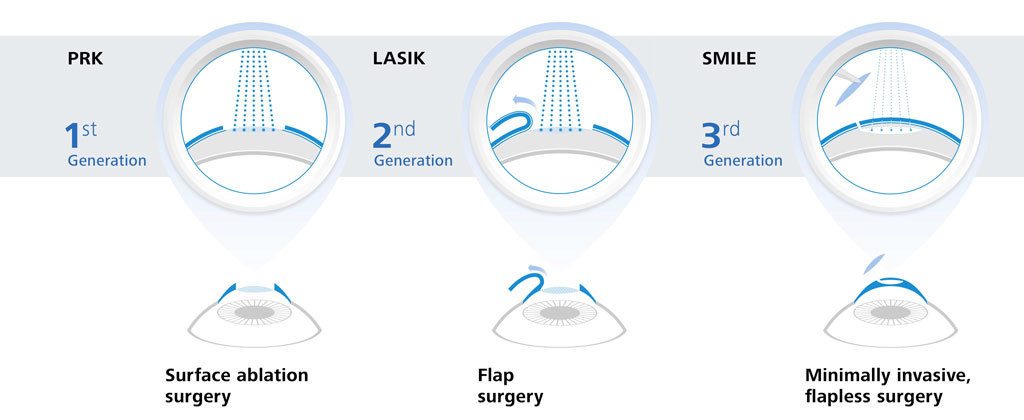
When you're exploring vision adjustment alternatives, recognizing ASA PRK is important. ASA PRK, or Advanced Surface Area Ablation Photorefractive Keratectomy, is a laser eye surgery designed for those with thin corneas. Unlike LASIK, ASA PRK doesn't include creating a corneal flap, which can be high-risk for thinner corneas. Instead, the surgeon eliminates the external layer of the cornea and makes use of a laser to improve the underlying cells. This approach advertises a healthier corneal structure, reducing the threat of complications. The recovery can take a bit much longer contrasted to LASIK, but lots of patients locate the outcomes satisfying.
Advantages of ASA PRK for Those With Thin Corneas
One of the main advantages of ASA PRK for those with slim corneas is its ability to decrease the risk of difficulties associated with corneal flaps. Unlike LASIK, which requires producing a flap in the cornea, ASA PRK includes removing the outer layer of the cornea, enabling a much safer procedure for those with restricted corneal density. This technique lowers the chances of problems like flap dislocation or irregular healing. Additionally, ASA PRK usually leads to outstanding aesthetic outcomes, providing clear vision without the issues connected to flap-related issues. You'll also find that healing can be smoother, as the absence of a flap lowers the danger of certain postoperative problems, making ASA PRK a compelling choice for individuals with thin corneas.
What to Expect Throughout Healing From ASA PRK?
As you recuperate from ASA PRK, anticipate a steady enhancement in your vision over the initial couple of days. Initially, https://drive.google.com/drive/folders/1EpJeqiAACThh27aBlq3ip0GuaTgsof6H?usp=drive_link may really feel abrasive or watery, and you might experience some pain or level of sensitivity to light. These signs and symptoms are typical and must lessen as recovery progresses. You'll likely need to use recommended eye goes down to avoid infection and handle dryness. During the first week, avoid difficult activities and shield your eyes from dirt and particles. It's essential to attend follow-up visits so your medical professional can monitor your healing.
Final thought
In conclusion, if you have slim corneas, ASA PRK might be the perfect alternative to LASIK. By improving your corneal tissue without producing a flap, it minimizes risks while still supplying superb aesthetic results. Although the recuperation might take a bit much longer, many clients locate the smoother process and enhanced long-term eye health and wellness well worth it. So, if you're taking into consideration vision adjustment, speak to your eye doctor regarding whether ASA PRK is best for you.